Built Out of Frustration. Perfected Through Obsession.
Druckel started the way most essential tools do: with a problem that nobody had properly solved. Imal, a mechanical engineer and CNC machine specialist, entered the world of leathercraft with a demand for precision that the current market couldn’t meet.
The Problem: 0.4mm of Failure
When Imal began crafting leather seriously, he faced a recurring bottleneck—inconsistent leather thickness. Ordering a 1mm hide only to receive a piece varying from 1.4mm to 1.7mm across the same skin was unacceptable for an engineer used to micron-level tolerances.
He tested every available solution: hand-cranked splitters, bell skivers, French skivers, and paring knives. None provided the repeatability or ease of use required for professional-grade production. The traditional manual splitters relied on "black magic" sharpening skills—skills that took years to master and seconds to ruin.
The Solution: Engineering Over Tradition
Imal discovered a vintage pull-type splitter and saw the blueprint for a superior machine. Using his background in CNC engineering and workshop experience, he designed the Druckel Leather Splitter from the ground up.
-
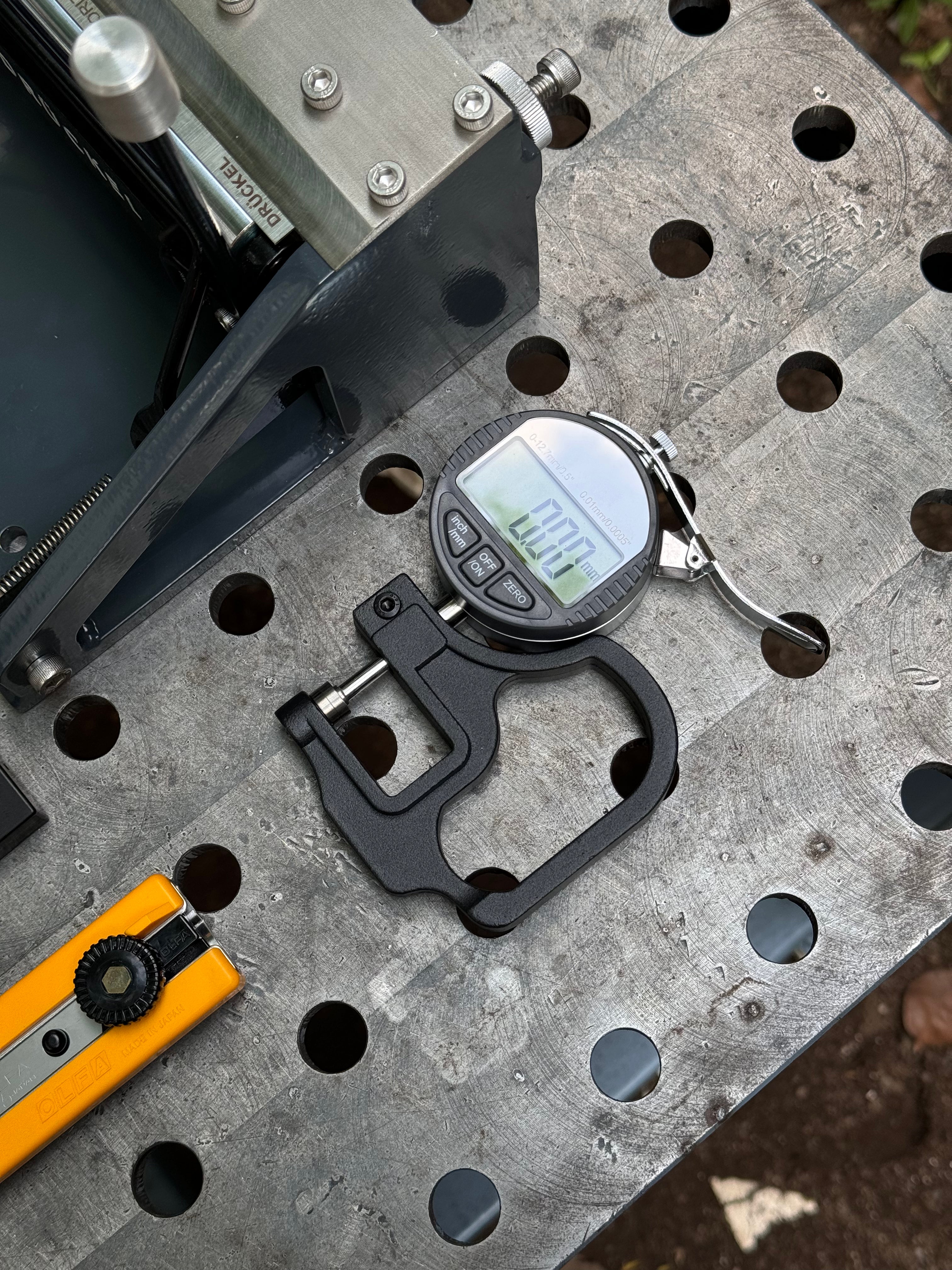
Precision Adjustment: Micrometer-style control for exact thickness.
-
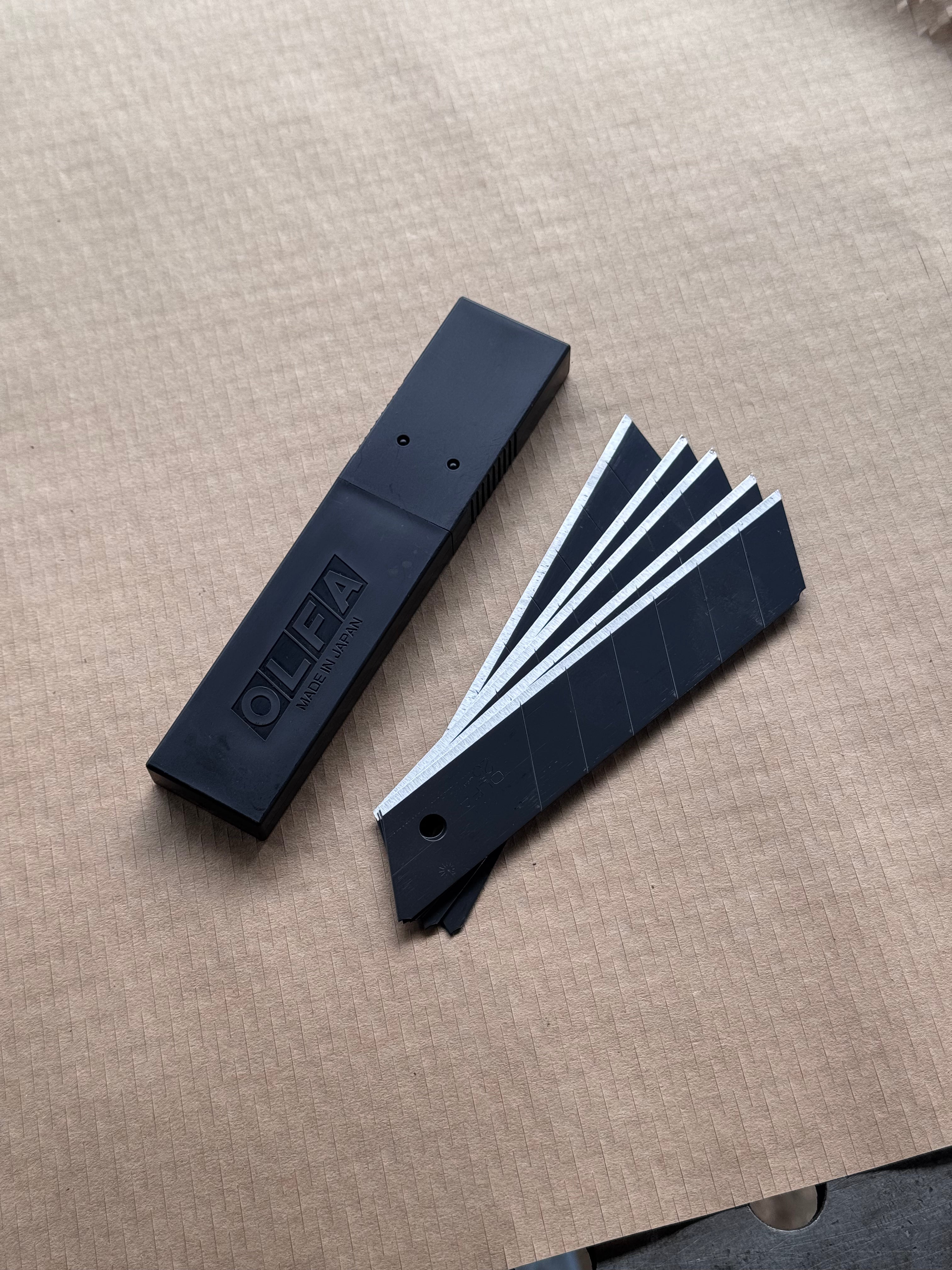
Replaceable Blade System: Zero sharpening required. Swapping a blade takes seconds, ensuring your edge is always perfect.
-
Industrial Build: Built from steel, stainless steel, and high-grade aluminum to last a lifetime.
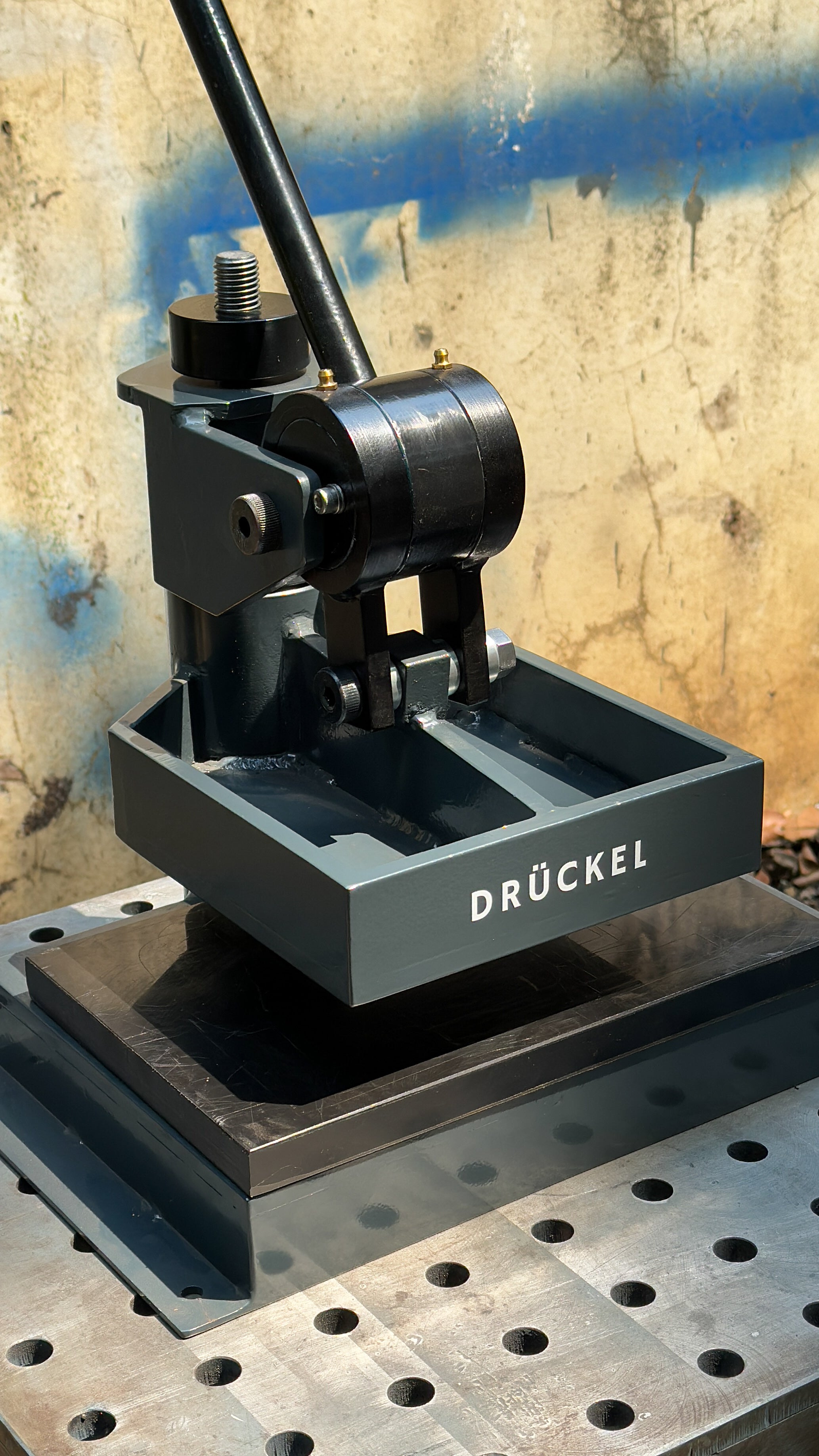
The Druckel Clicker Press followed soon after, born from the need to eliminate manual cutting labor. It turns artisanal craft into a scalable, profitable operation by providing 4 tonnes of consistent cutting force—reducing waste and maximizing output.
Global Precision, Handcrafted in Indonesia
Since 2019, Druckel tools have been shipped to leatherworkers on every continent. Our machines are found in the studios of the world’s most respected craftspeople, leather schools, and professional workshops. Every unit is handcrafted in Indonesia, overseen by the same engineering eyes that designed it.
The name Druckel evokes the tradition of German and Swiss engineering. It stands for tools that belong on a serious craftsperson’s workbench—precision-engineered for those who refuse to compromise.
"The question isn’t whether a Druckel is an investment. It’s whether you can afford to keep replacing tools that doesn’t work."